


Language

Makul Bir Şüphenin Ötesinde


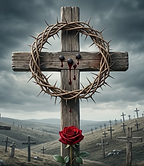


Claiming he is God
Search Results
Bu sitede ara
Boş arama ile 100 sonuç bulundu
- Torah Teaching and Bible Truth | Answers 4 Saints
Bible teaching on the Torah, God's commandments, salvation and judgement, with videos and verses to test every teaching against Scripture. Gods 613 commandments New Testment Commandments Deuteronomy 13 TEST God's Ten Commandments Definitions with consequences Bible Verses by Topic Complete JewishBible CJB
- Is Jesus a Christian? | Answers 4 Saints
Is Jesus a Christian? See what the Bible says about loving God and your neighbor, and what that means for how you follow Him. Is Jesus a Christian? There was only one person in the entire Bible that did everything right He taught us how to love our neighbor love God and He said if you love me keep my commandments. But we Christians do the opposite Torah, God's Book of Love Instructions For many are called, but few are chosen.” God cannot stand the prayers of anyone who disobeys his Law. Proverbs 28:9 Jesus vs. Yeshua: Are They Really the Same Messiah??? Understanding God's Grace | The Most Incredible Gift Explained in 5 Simple Points THREE Requirements of a True Christian... Is Baptism Necessary? Jesus’ TRUE Gospel Has Been SUPPRESSED | Learn What the Kingdom of God Actually Is Are you a REAL Christian? | Here Are 4 Ways to Prove It The Gospel Jesus Preached Is Different than What Most Have Been Taught Divided in Truth or United in Error The Bible Reveals Our Origins, Future, Purpose, Salvation, and Destiny Where was Jesus born
- Claming he is god | Answers 4 Saints
Scripture itself warns about that exact pattern —human institutions altering God's original commands while people go along with it: Paul Harvey told a story if I were the devil, Change Yehovah saves and Yeshua salvation to LORD and Jesus, Change the Sabbath Yehovah told us it was a sign between us and Him, below are 32 examples of how he sold Church people just that. The Warning in Scripture: Daniel 7:25 foretells an earthly power that would "think to change times and laws"—replacing God's appointed calendar and commands with human substitutes—while Yeshua warned against teaching human traditions as God's commandments (Matthew 15:9). How It Happened: Over centuries, Roman emperors outlawed original practices like the seventh-day Sabbath, church leaders substituted titles and Greco-Roman names for Yehovah and Yeshua, and loss of the Hebrew language kept ordinary people from checking the original text for themselves. The Result: Once those changes stuck for a few generations, people stopped questioning where they came from and simply said That puts your point into sharp focus: When we treat human reasons for altering or substituting God's names as carrying the same authority as the original names God Himself gave, human tradition ends up standing on equal footing with God's Word. Looked at through that lens, the core issue isn't about phonetics or linguistics—it's about authority and priority: The Original Names Carry Divine Authority: In Scripture, Yehovah / Yahweh (יהוה) is the name the Creator explicitly declared for Himself ("This is my name forever," Exodus 3:15), and Yeshua (יֵשׁוּעַ) is the name God specifically instructed Joseph and Mary to give His Son (Matthew 1:21). The Changes Came from Human Reasoning: Whether it was ancient scribes replacing יהוה with Adonai / "the LORD" out of human caution, translators adapting Yeshua into Greek and English, or Roman outsiders coining the label Christian—every one of those shifts originated with people, not a command from God. When later traditions treat "the LORD," "Jesus," and "Christian" as interchangeable with—or even preferable to—Yehovah, Yeshua, and followers of the Way, the human explanation for why the change happened gets elevated to the same weight as the original revelation itself. For believers who want to strip away later human layers and walk directly in what Scripture originally gave, returning to Yehovah and Yeshua is simply putting God's original words back in first place. Here is the historical and scriptural explanation behind each of the 32 True/False answers: Names, Calendar & Core Identity The Father's personal name (Yehovah ) was replaced with "the LORD." — True Why: In Exodus 3:15, God revealed His covenant name יהוה (YHWH) roughly 6,800 times in the Hebrew Scriptures. Out of fear of violating the Third Commandment against misusing His name, Jewish scribes began speaking the title Adonai ("my Lord") instead, which carried into Greek translations as Kyrios and English Bibles as "the LORD." The label "Christian" originally began as a title of honor chosen by Yeshua's earliest disciples in Jerusalem. — False Why: Early followers in Jerusalem called themselves "the Way," "disciples," or "Nazarenes." Around 40–44 CE in Antioch (Acts 11:26), Roman outsiders combined the Greek title Christos with the Latin political suffix -ianus ("partisans of") to coin Christianoi as a mocking street label. In the biblical reckoning of time, a new day begins at sundown rather than at midnight. — True Why: In Genesis 1, every day of creation is defined as "there w as evening, and there was morning." Scripture measures a day from sunset to sunset—including the seventh-day Sabbath (Leviticus 23:32)—whereas Roman civil time shifted the start of the day to midnight. The biblical New Year was originally established in the spring before the Roman calendar moved New Year's Day to winter. — True Why: In Exodus 12:2, Yehovah commanded Israel to mark the spring month of Aviv (around Passover) as the beginning of months and the first month of the year. Rome later moved New Year's Day to January 1, named after the Roman god Janus. In the 1st century, communion was instituted as a standalone ritual wafer completely separate from the Passover meal. — False Why: Yeshua broke the unleavened bread and shared the cup during a Passover Seder meal (Luke 22:15–20), directly tying his sacrifice to Israel's deliverance from Egypt. Later church tradition detached the bread and wine from Passover and turned them into a standalone priestly wafer ritual. Replacement Theology teaches that the Church permanently replaced Israel rather than Gentiles being grafted into Israel. — True Why: Post-Constantinian church theology claimed that God rejected Israel and transferred all covenant promises exclusively to the Gentile Church—contradicting Paul's warning in Romans 11:17–24 that Gentile believers are wild branches grafted into the existing olive tree of Israel. The biblical practice of baptism (mikveh) originally involved full-body immersion in water rather than sprinkling. — True Why: First-century immersion (tevilah in a mikveh or living water) required going completely under water to symbolize death, burial, and resurrection with Yeshua (Romans 6:4). Sprinkling water and infant christening developed centuries later. According to Numbers 15:38–40, tzitzit (tassels) were worn on garments as a daily visual reminder to obey Yehovah's commandments. — True Why: Yehovah explicitly instructed His people to tie fringes (tzitzit) on the corners of their garments so that looking at them would remind them to keep all His commandments—a practice Yeshua himself kept (Matthew 9:20) before later church councils banned it as "Judaizing." In Scripture, repentance (teshuvah) requires private confession to a human priest in order to receive forgiveness. — False Why: Biblical repentance (teshuvah, meaning "returning" to God's path) happens directly between the believer and Yehovah through Yeshua, our sole High Priest and mediator (1 Timothy 2:5; 1 John 1:9). Auricular confession to a human priest was institutionalized during the Middle Ages. Yeshua encouraged his followers to swear solemn oaths on Scripture to prove they were telling the truth. — False Why: In the Sermon on the Mount (Matthew 5:34–37), Yeshua explicitly commanded: "Do not swear an oath at all... All you need to say is simply 'Yes' or 'No.'" Swearing oaths on the Bible became normalized only after Christianity merged with Roman state courts. The biblical laws of Shemitah (seventh-year land rest) and Jubilee (50th-year debt cancellation and land return) were largely forgotten by later church institutions. — True Why: Leviticus 25 established built-in economic and ecological safeguards—letting farmland rest every seventh year and canceling debts and returning ancestral land every 50th year. Institutional churches ignored these Torah laws while enforcing mandatory financial tithes. In the 1st century, assemblies (ekklesia) primarily gathered in homes around shared hospitality before moving into grand temple-style basilicas. — True Why: Early believers met in homes, broke bread together, and cared directly for widows, orphans, and travelers (Acts 2:46). After Emperor Constantine legalized Christianity, worship moved into massive Roman basilicas modeled after pagan temples, turning active family fellowship into a spectator service led by clergy 13. The Son's original Hebrew name, Yeshua ("YHWH is salvation"), was changed to "Jesus" as it passed through Greek, Latin, and English translations. — True Why: Because the Greek alphabet lacked a "sh" sound and masculine names in Greek did not end in "-a," Yeshua was transliterated as Iesous, passed into Latin as Iesus, and eventually became Jesus in English. You cannot translate a personal name . 14. Roman Emperor Constantine legally established Sunday as the civil day of rest in the 4th century, shifting observance away from the seventh-day Sabbath (Saturday). — True Why: On March 7, 321 CE, Constantine issued a civil edict requiring courts and urban businesses to rest on the "venerable Day of the Sun," followed decades later by the Council of Laodicea forbidding believers from resting on the seventh-day Sabbath. God did not change the Sabbath and you will not find any verse changing it. 15. The seven biblical feasts commanded in Leviticus 23 were preserved unchanged by the Roman church and never replaced by holidays like Christmas or Easter. — False Why: Leviticus 23 outlines seven appointed times (moedim) centered on Passover, Pentecost, and Tabernacles. Imperial church councils replaced those biblical dates with holidays like Christmas and Easter that absorbed existing Roman winter solstice and spring customs. 16. Biblical dietary distinctions between clean and unclean meats (Leviticus 11) were abandoned by later church traditions. — True Why: Clean and unclean meat distinctions in Leviticus 11 and Deuteronomy 14 were set aside, frequently by pointing to Peter's sheet vision in Acts 10—even though Peter explicitly stated in Acts 10:28 that God showed him not to call any person impure or unclean. not food. 17. Yeshua taught in Matthew 5:17 that he came to abolish the Torah so believers would no longer need to follow God's instructions. — False Why: In Matthew 5:17–19, Yeshua warned against assuming he came to abolish the Law or the Prophets, affirming that not the smallest letter would disappear until heaven and earth pass away. 18. In direct tension with the Second Commandment prohibiting graven images, imperial Christianity adopted the veneration of statues, icons, and relics. — True Why: Although the Second Commandment (Exodus 20:4–5) prohibits making or bowing down to carved images, post-4th-century church practice absorbed Greco-Roman customs of praying before statues, icons, and the remains of saints. 19. The 1st-century model of local elders (zeqenim) was replaced by a Roman-style clerical hierarchy of popes, cardinals, and archbishops. — True Why: First-century congregations were led by local elders (zeqenim) under Yeshua as High Priest, whereas the state church adopted the administrative structure of the Roman Empire with popes, cardinals, and dioceses. 20. Greek abstract philosophy gradually replaced Hebrew concrete thought, creating a divide that treated physical obedience as inferior to abstract belief. — True Why: Hebrew Scripture treats human beings as a unified whole and defines faith (emunah) as loyal obedience, while Greek philosophy separated the "spiritual" from the "physical," treating bodily obedience to commandments as inferior to abstract belief. 21. The biblical hope of God's coming Kingdom on a restored earth was largely replaced in popular tradition by the idea of disembodied souls going to heaven. — True Why: Throughout Isaiah 65 and Revelation 21, the ultimate scriptural promise is resurrection and God dwelling with humanity on a renewed earth, which popular tradition largely replaced with the concept of disembodied souls floating in heaven. 22. Adding the editorial labels "Old Testament" and "New Testament" created the impression that the first two-thirds of Scripture is obsolete or expired. — True Why: Those labels were added centuries later by church editors; to Yeshua and the apostles, the Hebrew Scriptures (Tanakh) were simply "the Scriptures," still active and authoritative (2 Timothy 3:16). 23. Grace (chesed / charis) was redefined by later theology as permission to ignore Torah rather than empowerment to walk in obedience. — True Why: Titus 2:11–12 explains that God's grace trains believers to say "no" to ungodliness and live upright lives, whereas later theology framed obedience to God's commandments as "legalism." 24. Biblical fasting—complete abstention from food and water—was turned into ritual calendar restrictions such as avoiding red meat on Fridays. — True Why: In Scripture, fasting meant total abstention from food and water in prayer and humility (Esther 4:16), whereas medieval church rules converted fasting into dietary calendar rules like eating fish instead of meat on Fridays. 25. Biblical covenant marriage and family order have remained completely unchallenged and unchanged throughout history. — False Why: Scripture establishes lifelong covenant marriage between a man and a woman as a reflection of the Messiah and his people, yet modern culture and compromised institutions have steadily redefined marriage, weakened family accountability, and normalized covenant-breaking. 26. Praying to deceased saints and using repetitive prayer formulas replaced direct access to Yehovah through Yeshua as sole mediator. — True Why: Despite 1 Timothy 2:5 teaching that there is one mediator between God and humanity—Yeshua—medieval church tradition introduced praying to deceased saints, Mary, and angels, as well as reciting repetitive rosary-style formulas (Matthew 6:7). 27. The weekly cycle of counting 50 days to Shavuot (Pentecost) starting from the day after the weekly Sabbath during Unleavened Bread was altered by later calendar traditions. — True Why: In Leviticus 23:15–16, Yehovah commanded counting seven full weeks (50 days) starting from the day after the weekly Sabbath during Unleavened Bread so Shavuot always falls on a Sunday, which later rabbinic and Roman church calendars altered. 28. Influenced by Greek philosophy, the biblical hope of bodily resurrection at the end of the age was overshadowed by the doctrine of an inherently immortal soul. — True Why: In Hebrew Scripture, death is described as "sleep" until the bodily resurrection at the end of the age (Daniel 12:2; 1 Thessalonians 4:16), whereas adopting Plato's idea of an inherently immortal soul that immediately goes to heaven or hell made the future resurrection feel secondary. 29. After Emperor Constantine's reign, the cross symbol replaced biblical covenant signs such as the seventh-day Sabbath and circumcision of the heart. — True Why: While the cross became the universal emblem of institutional Christianity after Constantine's vision in 312 CE, Scripture designates the seventh-day Sabbath (Exodus 31:13), circumcision of the heart (Romans 2:29), and loving obedience (John 13:35) as Yehovah's actual covenant signs. 30. First-century biblical modesty and head-covering practices were largely altered or discarded in modern Western church culture. — True Why: Throughout 1st-century congregations (1 Corinthians 11), women prayed and prophesied with head coverings as a sign of covenant modesty and reverence, while modern Western churches largely abandoned biblical modesty standards altogether. 31. The Hebrew reverence known as the "fear of Yehovah" (yirat Yehovah) was largely replaced in modern church culture by casual familiarity. — True Why: Proverbs 9:10 calls the "fear of Yehovah"—deep awe, reverence, and trembling at His Word—the beginning of wisdom, yet modern worship culture frequently portrays God in overly casual terms while downplaying His holiness and judgment. 32. Congregational discipline and restorative accountability (Matthew 18) were widely abandoned in favor of maintaining large institutional membership numbers. — True Why: Yeshua laid out a clear, restorative process for handling sin inside the assembly (Matthew 18:15–17), which state churches and mass-membership institutions largely abandoned to maintain political influence and large crowds.
- End times last Generation | Answers 4 Saints
Answers 4 Saints teaching on the end times last generation: the signs, the tribulation, and Revelation's end-time timeline. End times last Generation Timeline Explained Kurban yeniden başlayacak Hükümdar bir antlaşma yapacak Yahuda'dakiler kaçar The End of America 144,000 Büyük Çıkış BÜYÜK Fahişe Tek dünya dini Tribulation Two Wittness Revelation’s End-Time Prophecy Zephaniah 2 Prophecy Gaza Kilise Mystey Babilon'dur. The Dead in Christ will rise and He will return White Throne judgement Revelation’s “End of the World” Timeline Explained Kilise Büyük Fahişedir, geride bırakılacaktır New Jerusalem *REVEALED Son nesil kapıda. Tüm kehanetler are completed.Tüm kehanetler hiçbir zaman zamanında tamamlanmadı, Birçoğu benim adıma gelip, 'Ben Mesih'im' iddiasında bulunacak (Dünya çapında 45.000'den fazla mezhep var.) Savaşlar ve savaş söylentileri duyacaksınız. Ulus ulusa, krallık krallığa karşı ayaklanacak. ( Rusya ve Ukrayna) savaşlar ve savaş söylentileri Kıtlıklar olacak (Etiyopya, Somali, Güney Sudan, Yemen ve Afganistan)WFP uyardı: Dünya çapında 41 milyon kişinin kapısını kıtlık çalıyor çeşitli yerlerde depremler. (2021 yılı, üçü 8,0'in üzerinde olan 19 büyük depremle küresel sismik için çok aktif bir dönemdi ve aynı zamanda 2007'den bu yana sismik olarak en aktif olanıydı. Çoğunluğu M 7,2 olan toplam 2.476 ölüm meydana geldi. Haiti'de. İnsanlar gidip gelecek Seyahat (herkes nereye gidiyor uçak, tren, roket ve arabalar) Bilgi artacak (bilgi 1958'de iki katına çıktı ve yaklaşık her 3 ayda bir ikiye katlanıyor) Nüfus (bu dünyada yaşayan tüm tarihin toplamından daha fazla insan var) 666 (Biden dijital para birimini keşfediyor) (666) Canavarın İşareti Vahiy 13:17-18) Tek dünya Dini burada Dini liderler yeni 10 emri oluşturmak için Sania Dağı'nda bir araya geldi . Büyük Fahişe kilisedir. Comparison: Exodus vs. Tribulation You’ll notice some striking similarities between the 10 plagues of the Exodus (which we just discussed for Passover) and the 21 judgments of the Tribulation. This is often seen as a biblical "echo": Water to Blood: In Exodus, it was just the Nile; in the Tribulation (Trumpets and Bowls), it affects all the seas and rivers. Boils/Sores: I n Exodus, this was the 6th plague; in the Tribulation (1st Bowl), it strikes those who have the Mark of the Beast. Darkness: In Exodus, it lasted three days; in the Tribulation (5th Bowl), it plunges the kingdom of the Beast into darkness. Locusts: In Exodus, they were literal insects; in the Tribulation (5th Trumpet), they are described as "demonic" locusts with stings like scorpions. The Key Difference In the Exodus, the 10 plagues were sent to a specific location (Egypt) to free a specific people. In the Tribulation, these 21 judgments are global, intended to lead the world to repentance before the final judgment. Since you've been looking into the Book of Revelation and the Lamb's Book of Life recently, would you like me to find the specific verses where these "Bowl" judgments begin, or perhaps a timeline of how the Seals, Trumpets, and Bowls overlap? To help you visualize how these events unfold in the Book of Revelation, here is a breakdown of the 21 Judgments and how they overlap throughout the Tribulation period. Timeline of the 21 Judgments Most scholars view these judgments as a "telescoping" sequence: the 7th Seal opens the 7 Trumpets, and the 7t h Trumpet opens the 7 Bowls. 1. The 7 Seals (The Beginning of Sorrows) 1st Seal: The White Horse (The Antichrist rises as a false peacemaker). 2nd Seal: The Red Horse (Global war and civil strife). 3rd Seal: The Black Horse (Famine and hyperinflation). 4th Seal: The Pale Horse (Death of one-fourth of the world's population). 5th Seal: The Souls Under the Altar (Martyrdom of those who turn to God). 6th Seal: The Great Earthquake (Sun turns black, moon turns to blood). 7th Seal: Silence in Heaven (The 7 Trumpets are prepared). 2. The 7 Trumpets (Increasing Severity) 1st Trumpet: Hail and fire mixed with blood (1/3 of the earth’s vegetation burned). 2nd Trumpet: A "great mountain" falls into the sea (1/3 of the sea becomes blood). 3rd Trumpet: The star "Wormwood" falls (1/3 of fresh water becomes bitter). 4th Trumpet: 1/3 of the sun, moon, and stars are darkened. 5th Trumpet: Locusts from the Bottomless Pit (5 months of torment). 6th Trumpet: Four angels released from the Euphrates (Death of 1/3 of humanity). 7th Trumpet: The Kingdoms of the World (The 7 Bowls are prepared). 3. The 7 Bowls (The Final Wrath) 1st Bowl: Malignant sores on those with the Mark of the Beast. 2nd Bowl: The entire sea turns to blood (all sea life dies). 3rd Bowl: All rivers and springs turn to blood. 4th Bowl: The sun scorches people with fierce heat. 5th Bowl: Total darkness over the kingdom of the Beast. 6th Bowl: The Euphrates River is dried up (preparing for the Battle of Armageddon). 7th Bowl: "It is Done" (The greatest earthquake in history and 100-lb hailstones). The Parallel to the "First Death" In your recent study of the "Second Death" (Revelation 20:14), these judgments represent the final warnings for the living. While the 10 plagues of Exodus led to the physical freedom of Israel, these 21 judgments lead to the final spiritual separation of those written in the Lamb's Book of Life from those who are not. Since we've looked at the timeline, would you like to see the specific verses in Revelation 16 that describe the final "Bowl" judgments, or perhaps more on how the Mark of the Beast relates to the first Bowl? Since you are focusing on the Bowl Judgments (often called the "Vials of Wrath"), it’s important to see how they differ from the Seals and Trumpets. While the earlier judgments affected one-fourth or one-third of the earth, the Bowls are "full" and affect everything—they are the final strokes before the return of Christ. Here is the breakdown of the specific verses in Revelation 16 where these final plagues begin. The Seven Bowls of God’s Wrath (Revelation 16) 1st Bowl (v. 2): The Grievous Sores "The first angel went and poured out his bowl on the land, and ugly, festering sores broke out on the people who had the mark of the beast and worshiped its image." 2nd Bowl (v. 3): The Sea Turns to Blood "The second angel poured out his bowl on the sea, and it turned into blood like that of a dead person, and every living thing in the sea died." (Unlike the 2nd Trumpet, which hit 1/3, this hits 100% of the ocean). 3rd Bowl (v. 4–7): Fresh Water Turns to Blood "The third angel poured out his bowl on the rivers and springs of water, and they became blood." 4th Bowl (v. 8–9): The Sun Scorches "The fourth angel poured out his bowl on the sun, and the sun was allowed to scorch people with fire." Instead of repenting, the text says they cursed the name of God. 5th Bowl (v. 10–11): Darkness on the Throne "The fifth angel poured out his bowl on the throne of the beast, and its kingdom was plunged into darkness." 6th Bowl (v. 12–16): The Euphrates Dries Up "The sixth angel poured out his bowl on the great river Euphrates, and its water was dried up to prepare the way for the kings from the East." This leads directly to the gathering at Armageddon. 7th Bowl (v. 17–21): "It Is Done" "The seventh angel poured out his bowl into the air... there came a loud voice from the throne, saying, 'It is done!'" This triggers the greatest earthquake in human history and 100-pound hailstones. The Connection to the "Mark of the Beast" The 1st Bowl is specifically targeted at those who have taken the Mark of the Beast (Revelation 13:16-18). In your recent study of the Lamb's Book of Life, this is the "point of no return." Those who receive the mark are excluded from the book and become the primary targets of these final seven plagues. A Biblical Pattern: Passover vs. Revelation Just as the Israelites were protected in the land of Goshen while the 10 plagues hit Egypt, many interpret the Sealing of the 144,000 and the safety of the faithful as a modern "Passover." While the world faces the Bowls of Wrath, those in the Book of Life are seen as "passed over" by the Second Death. Since we are looking at the drying of the Euphrates in the 6th Bowl, would you like to see how that connects to the Battle of Armageddon, or should we look closer at the White T hrone Judgment where the books are finally opened?
- 52 | Answers4saints.com
Great White Throne Judgment comes with a curse of eternal death. Make no mistake! God will allow you to defy and disobey Him. (He also says there is a day of reckoning coming. As you sow, so shall you reap!) Cehennem hakkındaki gerçek Büyük Beyaz Taht Yargısı, sonsuz ölümün lanetiyle birlikte gelir. Hata yapma! Tanrı O'na meydan okumanıza ve itaatsizlik etmenize izin verecektir. Kalabalığı ve erkeklerin geleneklerini takip etmenize izin verecek. Günah işlemene izin verecek. (Ayrıca bir hesap gününün geldiğini söylüyor. Ne ekersen onu biçeceksin!) Yeshua, bizzat Tanrı'nın yaşayan Sözü'ydü ve Kutsal Kitap Tanrı'nın yazılı Sözü'dür. Ve sonsuza kadar bu sözlerle yargılanacağız! Hafife alınmamalı veya göz ardı edilmemelidirler. Büyük Beyaz Taht Yargısı ne zaman? Yecüc ve Mecüc Savaşı'ndan sonraki Binyılın sonunda, o büyük ikinci Kıyamet gerçekleşir. REV.20:5 Ancak ölülerin geri kalanı, bin yıl tamamlanana kadar bir daha yaşamadı. Vahiy 20:7-9 Ve bin yıl sona erdiğinde, Şeytan zindanından çözülecek. sayısı denizin kumu kadar olanlarla birlikte savaşmak için. ve onları yedi. Büyük Beyaz Taht Yargısı, ölülerin geri kalanı içindir, kurtulmadığımız ve bu nedenle Mesih'in İkinci Gelişinde diriltilmeyen ve Mesih'in Yargı Koltuğu'nda görünmeyen her yaştan tüm ölüler içindir. 1000 yıllık Milenyum'da yaşayan ve yine de bunun sonunda Şeytan'a uyan ve ardından Yecüc ve Mecüc Savaşı'nda yok edilen herkesi içerir. Kurtulmamışlarsa, dünyevi yaşamlarında iyi ya da kötü olsalar da yaşamış olan tüm insanlar, Tanrı'nın bu Büyük Beyaz Taht Yargısında durmak zorunda kalacaklar. Büyük Beyaz Taht Yargısında Kim Yargılanıyor? Bu hüküm, Milenyum boyunca yaşayan ve yine de Şeytan'ı takip eden ve ardından Yecüc ve Mecüc Savaşı'nda yok edilenler de dahil olmak üzere küçük ve büyük tüm ölüler içindir. Yuhanna 3:4 Günah işleyen herkes kanunsuzluk da yapar. Aslında günah kanunsuzluktur. 5 Ama Mesih'in günahları kaldırmak için göründüğünü ve O'nda günah olmadığını biliyorsunuz. 6 O'nda kalan hiç kimse günah işlemeye devam etmez. Günah işlemeye devam eden hiç kimse O'nu görmemiş ve O'nu tanımamıştır. 7 Küçük çocuklar, kimse sizi aldatmasın: Mesih nasıl doğruysa, doğru olanı yapan da doğrudur. 8 Günah işleyen İblis'tendir. Çünkü İblis en başından beri günah işliyor. Bu nedenle, Tanrı'nın Oğlu, şeytanın işlerini yok etmek için ortaya çıktı.9 Tanrı'dan doğan herkes günah işlemeyi reddeder, çünkü Tanrı'nın tohumu onda yaşar; günah işlemeye devam edemez çünkü o Tanrı'dan doğmuştur. 10 Tanrı'nın çocukları ile şeytanın çocukları bununla ayırt edilebilir: Doğruluk yapmayan, kardeşini sevmeyen de Tanrı'dan değildir. ● Vahiy 13:16 Küçük büyük, zengin fakir, özgür köle herkesin sağ ellerine ya da alınlarına bir işaret koydurur. canavarın adından ya da adının sayısından. 18 İşte hikmet. Anlayışı olan, canavarın sayısını hesaplasın, çünkü bu bir insanın sayısıdır: Onun sayısı 666'dır. Vahiy 14:9 Üçüncü melek yüksek sesle şöyle dedi: "Bir kimse canavara ve onun suretine tapar ve onun mührünü alnına ya da eline alırsa,10 Aynı kişi canavarın şarabından içecektir." Tanrı'nın öfkesinin kasesine karışmadan dökülen gazabı; ve mukaddes meleklerin ve Kuzu'nun huzurunda ateş ve kükürtle azap çekecek: 11 Ve eziyetlerinin dumanı ebediyen yükseliyor: ve tapınanlara ne gündüz ne de gece rahat yok canavar ve sureti ve isminin işaretini kim alırsa. Matta 13:42 "Deliceler nasıl ayıklanıp ateşte yakılırsa, çağın sonunda da öyle olacaktır. 41 İnsanoğlu meleklerini gönderecek ve onlar günaha neden olan her şeyi ve kötülük yapanların hepsini O'nun krallığından söküp atacaklar. 42 Onları kızgın fırına atacaklar, orada ağlayış ve diş gıcırtısı olacak. 43 O zaman doğrular, Babalarının krallığında güneş gibi parlayacak. Kulağı olan işitsin. İbraniler 10:26-27 Gerçeği öğrendikten sonra bile bile günah işlemeye devam edersek, artık günahlar için kurban kalmaz, geriye yargının korkunç beklentisi ve düşmanları yiyip bitirecek şiddetli ateş kalır. Sonraki ayetler, tüm ölülerin diriltilmiş ölüm ve yargının geleceği ikinci bir diriliş olduğunu açıklar. Büyük Beyaz Taht Yargısı. Vahiy 20:11 Ve büyük beyaz bir taht ve onun üzerinde oturanı gördüm, yüzünden yer ve gök kaçtı; ve onlara yer bulunamadı. 12 Küçük büyük ölülerin Yehova'nın önünde durduğunu gördüm. ve kitaplar açıldı; ve hayat kitabı olan başka bir kitap açıldı; ve ölüler, işlerine göre kitaplarda yazılı olan şeylere göre yargılandılar. 13 Ve deniz, içinde olan ölüleri teslim etti; ve ölüm ve cehennem içlerinde olan ölüleri teslim etti; ve herkes yaptıklarına göre yargılandılar. 14 Ve ölüm ve cehennem ateş gölüne atıldı. Bu ikinci ölüm. 15 Ve yaşam kitabında yazılı bulunmayanlar ateş gölüne atıldı. Mesih'e iman yoluyla antlaşma yapana ve bu iman aracılığıyla lütufla kurtuluşa kavuşana kadar tüm insanlık "yasa altında"dır. “Yasa altında” olmak, yasanın cezası altında, yani ölüm demektir. Buna Günah ve Ölüm Yasası da denir (Romalılar 8:2). Pavlus Romalılar'da biraz önce günahın ücretinin ölüm olduğunu belirtir (Romalılar 6:23). _cc781905- 5cde-3194-bb3b-136bad5cf58d_ _cc781905 -5cde-3194-bb3b-136bad5cf58d_ Yahweh _cc781905- 5cde-3194-bb3b-136bad5cf58d_ _cc781905-5cde- 3194-bb3b-136bad5cf58d_ _cc781905-5cde-3194- bb3b-136bad5cf58d_ Tapu kaydı Tövbenin meyveleri, bir kişinin gerçekten değiştiğini gösteren - genellikle "işler" olarak adlandırılan - görünür eylemlerdir. Romalılar 7:7 Öyleyse, Tanrı'nın Yasası'nın günah olduğunu mu söylüyorum? Tabii ki değil! Aslında bana günahımı gösteren yasaydı. Yasa, "Tamah etmemelisin" demeseydi, açgözlülüğün yanlış olduğunu asla bilemezdim. 1.Yuhanna 3:4 Günah işlemeyi alışkanlık haline getiren herkes aynı zamanda kanunsuzluk da yapmış olur; günah kanunsuzluktur. Vahiy 20:12'ye göre her iş bir kitapta kayıtlıdır. Bu tanıklar, Yaratıcımızın önünde her ağzın kapatılmasının veya durdurulmasının nedenidir; günahımız sabittir. Bildiğiniz gibi Tevrat'a göre bir meseleyi tespit etmek ve birini idama mahkum etmek için 2 ila 3 tanık gerekir. Ama bunun Baba'ya karşı kendi suçumuzu da kapsadığını fark ettiniz mi? Tesniye 19:15 (ESV) Tek bir tanık, işlediği herhangi bir suçla ilgili herhangi bir suç veya yanlışlık için bir kişiye karşı yeterli olmayacaktır. Sadece iki tanığın veya üç tanığın ifadesine göre bir suçlama belirlenir. Suçumuzu ispatlamak için iki tanığın gerekli olduğunu biliyoruz. Devam ediyor. Romalılar 3:19-20 Şimdi biliyoruz ki, Kutsal Yasa ne derse desin, her ağız kapansın ve bütün dünya Tanrı'ya hesap versin diye, Yasa'nın altındakilere sesleniyor. Çünkü günah bilgisi Yasa aracılığıyla geldiği için, hiçbir insan kendi gözünde Yasa'nın gereklerini yapmakla aklanmayacaktır. Öncelikle cevaplanması gereken soru şudur: “Kanun kapsamında” olanlar kimlerdir? Zamanın hatırına, Mesih'e iman yoluyla antlaşma yapana ve bu iman aracılığıyla lütufla kurtuluşa kavuşana kadar tüm insanlığın "yasa altında" olduğunu belirteceğiz. Bu, Yehova'nın kurtuluşu mümkün kılmak için bize bir Mesih göndereceğini söylediği Kutsal Yazıları da içerir. Bu gerçeğe kendimizi adarız ve sonra hayatlarımızı, gerçek olduğuna inandığımız şeyi doğru gösteriyormuş veya onun kanıtıymış gibi yaşarız. Bunu yapmak, Söz'e olan inancımızı uygulamaktır; bu iman aracılığıyla ve Yehova'nın lütfuyla kurtuluşa kavuşabiliriz. Bu imana sahip olduktan sonra, ölümü hak ettiğimizi ve Mesih'in kurtarıcı işine ihtiyacımız olduğunu anladıktan ve imanımızı eyleme (itaatimize) dönüştürdükten sonra, artık lanet altında değiliz (günah ve ölüm yasası). Mesih'e iman etmeden önce günah ve ölümün yasası (lanet) altındaydık, ancak imandan sonra artık günah ve ölüm yasası altında değiliz. Vahiy 20:11-15 Sonra büyük beyaz bir taht ve üzerinde oturanı gördüm. Onun huzurundan yer ve gök kaçtı ve onlara yer bulunamadı. Ve tahtın önünde duran irili ufaklı ölüleri gördüm ve kitaplar açıldı. Sonra başka bir kitap açıldı, o da hayat kitabı. Ve ölüler, yaptıklarına göre kitaplarda yazılanlara göre yargılanıyordu. Ve deniz, içindeki ölüleri verdi, Ölüm ve Hades kendilerindeki ölüleri verdi ve her biri yaptıklarına göre yargılandı. Sonra Ölüm ve Hades ateş gölüne atıldı. Bu ikinci ölüm, ateş gölü ve eğer birinin adı yaşam kitabında yazılı bulunmazsa, o kişi ateş gölüne atılırdı. (119 bakanlık) Şunu gördün mü? Bütün amellerimiz kitaplara kaydediliyor; o kitaplar ikinci tanıktır. Bununla birlikte, Mesih'e bir kez iman ettiğimizde, artık yasanın cezası altında olmadığımızı görürüz çünkü o cezayı O ödedi. Yine de, bu nasıl olabilir? Hâlâ iki tanık var, öyleyse yine de sonsuz ölümü hak etmemiz gerekmez mi? Koloseliler 2:13-14'e baktığımızda bu sorunun cevabını buluruz. Koloseliler 2:13-14 Ve suçlarınızda ve bedeninizin sünnetsizliğinde ölü olan sizi, Tanrı, yasal gereklilikleriyle aleyhimize olan borç kaydını silerek tüm suçlarımızı bağışlayarak Kendisiyle birlikte diriltti. . Bunu bir kenara bırakıp çarmıha çiviledi. 13. ayet, günahlarımızda ölü olduğumuzu doğrular, ancak Mesih aracılığıyla günahlarımız bağışlanmıştır. Peki… günahlarımız affedildiğinde ne olur? “Aleyhimize olan borç sicili” iptal edildi. Mesih tarafından ödenmiş ve ağaca çivilenmiştir. Bu borcun kaydı nereye yazıldı? Bütün amellerimizin kaydedildiği deftere yazıldı, suçumuzu ispatlayan ikinci şahit. Bu borç kaydı ödendiğinde, kaydımızdan kaldırılır; ve artık lekesiziz. Artık tek tanık var! Tek tanıkla idam edilemeyiz! Artık sonsuz yaşama sahibiz! Mesih cezayı ödedi ve böylece günahlarımızın hesabını yok etti, böylece artık bize karşı işlenemezler! Mesih'e iman etmenin işe yaramasının nedeni, bazılarının Koloseliler 2'nin öğrettiğine inandığı gibi yasanın bizden çıkarılması değildir. Kurtuluş, Tevrat'ın belirlediği sınırlar veya parametreler dahilinde çalışır çünkü bizi sonsuz ölüme mahkum etmek için gereken ikinci tanık ortadan kaldırılmıştır. Yehova Kendi kanununun dışında hareket etmez; Eğer yaptıysa, doğru olarak adlandırılmamız gerektiğine ve hatta çağrılabileceğimize nasıl inanabiliriz? Yaratıcımız harika, mükemmel, adil, doğru ve iyidir. Ayrı ayrı insanlar olarak yaşamamızı nasıl istediğini ayrıntılarıyla anlatan talimatlar veriyor. İyi bir baba gibi, kuralları çiğnediğimizde bunun bir cezası vardır; ve şiddetlidir. Ancak O, kullarını çok sevdiği için kendi kuralları içinde bu cezadan kurtulmamızı bile sağlamıştır. Onun kanunu gerçekten mükemmeldir; O'nun bize verdiği tüm rızık onun içindedir. Tesniye 19:15 "Yalnızca bir tanığın tanıklığıyla kimseyi bir suçtan mahkûm etmeyeceksin. Olayın gerçekleri iki ya da üç tanığın tanıklığıyla kanıtlanmalıdır. Galatyalılar 3:24-26 Böylece, imanla aklanmamız için Mesih gelene kadar Yasa bizim koruyucumuz oldu. Ama şimdi iman geldi, artık bir koruyucunun altında değiliz, çünkü Mesih İsa'da (Mesih Yeshua) hepiniz iman aracılığıyla Tanrı'nın oğullarısınız. “Günah ve ölüm yasası”, esaret altında/lanet altında olduğumuza işaret ederek bizi Mesih'e götürür veya getirir. "Günah ve ölüm yasası" bize lanetlendiğimizi ve esaret altında olduğumuzu öğretene kadar Mesih'e Kurtarıcımız olarak imanla gelemeyiz. Bu bilgi olmadan O'na gelmek için hiçbir nedenimiz olmazdı. Bu nedenle, bize Mesih'e "refakat etmek" için esaret altında olduğumuzu (günah altında - Romalılar 3:20) öğretmesi için "yasanın lanetine" veya "günah ve ölümün yasasına" ihtiyacımız var. Bize O'nun mükemmel lütfuna inanmayı ve güvenmeyi öğretmek içindir, çünkü o ağaçta bizim için lanet haline gelen Söz'ün mükemmel uygulaması beden yaptı. Galatyalılar 3:25 Ama iman geldiğine göre artık bir koruyucu altında değiliz. Şimdi inancın bu tanımını hatırlamanın zamanı geldi. İmanın bir kısmı, Sözün bize söylediklerinin doğru olduğuna inanmaktır. Tanrı'nın Tora'sını veya Yasasını içeren Söz, bize günah işlediğimiz için ölümü hak ettiğimizi ve Baba'nın bu ölümden kurtulmamız için bir yolu olduğunu gösteriyor. Bu yol, Söz olan Mesih'e imandan geçer. Başka bir deyişle, kurtulmamızın yolu, günah işlediğimize ve Söz böyle söylediği için ölümü hak ettiğimize inanmaktır. Baba'nın bize söylediklerinin doğru olduğuna, doğru olmak için O'nun Sözünü izlememiz gerektiğine ve sonra da onu yaptığımıza güveniyoruz. Bu, Yehova'nın kurtuluşu mümkün kılmak için bize bir Mesih göndereceğini söylediği Kutsal Yazıları da içerir. Bu gerçeğe kendimizi adarız ve sonra hayatlarımızı, gerçek olduğuna inandığımız şeyi doğru gösteriyormuş veya onun kanıtıymış gibi yaşarız. Bunu yapmak, Söz'e olan inancımızı uygulamaktır; bu iman aracılığıyla ve Yehova'nın lütfuyla kurtuluşa kavuşabiliriz. Bu imana sahip olduktan sonra, ölümü hak ettiğimizi ve Mesih'in kurtarıcı işine ihtiyacımız olduğunu anladıktan ve imanımızı eyleme (itaatimize) dönüştürdükten sonra, artık lanet altında değiliz (günah ve ölüm yasası). Mesih'e iman etmeden önce günah ve ölümün yasası (lanet) altındaydık, ancak imandan sonra artık günah ve ölüm yasası altında değiliz. Günahın ve ölümün yasası öğretmendir, koruyucudur. Yine, bu konuyla ilgili daha ayrıntılı bir tartışma için lütfen öğretilerimize bakın. “Artık “yasa” (günah ve ölüm) altında olmadığımız için özel öğretmene ihtiyacımız yok. İmana girdiğimizde, Mesih'in bizim için yasanın cezasını ödediğini anlarız. Tüm bunların birlikte nasıl çalıştığını görmeye başlıyor musunuz? Tora bizim için günahın ne olduğunu tanımlamak için verildi, günah işlemenin bir cezası olan ölüm var. İki tanık olmadıkça kimse öldürülemez. Yehova'nın Kendisi bir tanıktır. Ama ikincisi nedir? Vahiy 21:1 Ve yeni bir gökle yeni bir yer gördüm: çünkü ilk gök ve ilk yer geçmişti; ve artık deniz yoktu. 2 Ve ben Yuhanna, kocası için süslenmiş bir gelin gibi hazırlanmış olarak Tanrı'dan gökten inen kutsal şehir, yeni Yeruşalim'i gördüm. 3 Ve gökten büyük bir ses işittim: İşte, Tanrı'nın çadırı insanlarla birliktedir ve onlarla birlikte yaşayacak ve onlar onun halkı olacaklar ve Tanrı'nın kendisi onlarla birlikte olacak ve onların Tanrısı olacak. 4 Ve Allah onların gözlerinden bütün yaşları silecek; ve artık ölüm olmayacak, ne keder, ne ağlama, ne de artık acı olmayacak: çünkü önceki şeyler geçip gitti. İşaya 65:17 "İşte, yeni gökler ve yeni bir dünya yaratacağım. Önceki şeyler ne anılırlar ne de akıllara gelirler Here is a 10-question quiz based on your notes regarding who will stand at the Great White Throne Judgment, the legal mechanics of judgment, and the criteria for salvation: 10-Question Quiz: The Great White Throne Judgment 1. According to Revelation 20:5, when does the Great White Throne Judgment take place? A) Immediately after the Rapture B) During the first resurrection at Christ's Second Coming C) At the end of the 1,000-year Millennium, following the Battle of Gog and Magog D) Before the Great Tribulation begins 2. Which group of people will stand before the Great White Throne? A) Only people who committed severe crimes during their earthly lives B) All unsaved people from all of history ("the rest of the dead," both small and great) C) Only believers who failed to attend church regularly D) Angels who rebelled against God 3. Who is specifically excluded from facing the Great White Throne Judgment? A) People who lived generally "good" and moral earthly lives B) Those who lived through the Millennium without dying C) Saved believers who were resurrected at Christ’s Second Coming and appeared at the Judgment Seat of Christ D) Anyone who was unaware of the Torah 4. What happens to the people who survive the 1,000-year Millennium, choose to follow the Devil at the end of it, and are destroyed in the Battle of Gog and Magog? A) They are pardoned because they lived during the Millennium B) They are resurrected to stand at the Great White Throne Judgment C) They cease to exist immediately without facing judgment D) They are judged at the Judgment Seat of Christ 5. Under the Torah (Deuteronomy 19:15), how many witnesses are legally required to establish a charge and sentence someone to death? A) One witness (God alone) B) Two or three witnesses C) Twelve witnesses D) No witnesses are needed if the sin is obvious 6. In the Great White Throne Judgment, what serves as the "second witness" alongside God to establish a person's guilt? A) The angels in heaven B) The Devil (the accuser) C) The books recording every person's deeds and works D) Other unsaved people 7. Why are saved believers not condemned to eternal death by the two-witness rule? A) Because God ignores His own law for believers B) Because Messiah canceled the written "record of debt" (the second witness) by nailing it to the cross C) Because believers never commit any sins after coming to faith D) Because the Torah was completely abolished 8. According to 1 John 3:4–10, how are the children of God distinguished from the children of the devil? A) By their family lineage and heritage B) By practicing righteousness and loving their brothers, rather than continuing in lawlessness (sin) C) By surviving the Battle of Gog and Magog D) By claiming to know God, regardless of their actions 9. What is the fate of those who receive the mark of the beast or worship its image (Revelation 14:9–11)? A) They are given a second chance during the Millennium B) They face the wrath of God and torment with fire and brimstone C) They are excluded from the second resurrection D) They are judged solely on their good deeds 10. According to Revelation 20:14–15, what is the final outcome for anyone whose name is not found written in the Book of Life? A) They are sent back to the earth to try again B) They remain in Hades forever C) They are cast into the lake of fire, which is the "second death" D) They are stripped of their rewards in heaven Answer Key C — At the end of the 1,000-year Millennium, following the Battle of Gog and Magog. B — All unsaved people from all of history ("the rest of the dead," both small and great). C — Saved believers who were resurrected at Christ’s Second Coming and appeared at the Judgment Seat of Christ. B — They are resurrected to stand at the Great White Throne Judgment. B — Two or three witnesses. C — The books recording every person's deeds and works. B — Because Messiah canceled the written "record of debt" (the second witness) by nailing it to the cross. B — By practicing righteousness and loving their brothers, rather than continuing in lawlessness (sin). B — They face the wrath of God and torment with fire and brimstone. C — They are cast into the lake of fire, which is the "second death." Büyük Başlık
- Narrow Road or Broad Road Test | Answers 4 Saints
Take a short Bible test on the narrow gate, the state of the dead and God's Sacred Highway, with verses from Matthew, Luke and Revelation. Everyone thinks they are going to Heaven Cennet ve Cehennem hakkındaki İncil gerçeği Allah'ı gerçekten seviyor musun? Yaptıklarınız, içsel olarak inandıklarınızın kanıtıdır. "Herkes cennete gideceğini düşünür ama kimse gitmek istemez. dar yoldan yürüyün” “Tanrı'nın Krallığına yalnızca dar kapıdan girebilirsiniz. Cehenneme giden yol geniştir ve bu yolu seçen birçok kişi için kapısı geniştir. Matta 7:13 "Dar kapıdan girmek için elinizden geleni yapın. Size söyleyeyim, birçokları girmeye çalışacak ama giremeyecekler. Luka 13:24 Hiç kimse cennete yükselmedi ama gökten inen, yani gökteki İnsanoğlu'dur. Yuhanna 3:13 Orada iyi bir yol olacak ve adı "Tanrı'nın Kutsal Yolu" olacak. Tanrı'nın halkı için olacak; Allah'a kulluk etmeye uygun olmayan hiç kimse o yolda yürümez. Ve hiçbir aptal o otoyolda seyahat edemez. İşaya 35:8 Uykuya dalarken, adınızın söylendiğini çok net bir şekilde duyarsınız, o kadar yüksek bir ses ki titreşim yatağınızı sallar. Çok korkunç, hasta hissediyorsun. Gözlerini açarsın ve kendini milyonlarca ağlayan ve korkmuş insanla çevrili bulursun. Etrafınıza baktığınızda, büyük beyaz yargı tahtını ve onun üzerinde oturan tarifsiz, muhteşem ve güzel olanı görürsünüz. Tahtın arkasında büyük bir ateş var, alevler o kadar yüksek ve parlak ki göklere ulaşıyor. Sonra herkesi dize getiren yüksek sesler duyarsınız. İki melek asalarını yere vuruyor. Sonra meleklerin bir adamı alıp alevlerin olduğu yere götürdüğünü görürsünüz. ve onu artık olmadığı ateş çukuruna atarlar. Ondan sonra bir ismin seslenildiğini duyarsın ve iki meleğin daha çıkıp bir kadın seçtiğini görürsün, o kadın kitapların açık olduğu tahta çıkarılmıştır. Onu tahtın önüne oturttular. Ancak ne söylendiğini duyamazsınız, tahttan gelen güçlü bir hüzün hissini hissedebilirsiniz. Sonra bir ses duyarsın, “neden beni sevmedin ve talimatlarımı takip etmedin”? Sana birçok fırsat verildi ama sen reddettin. Seni uyarmak için birkaç elçi gönderdim, ama sen beni yalanladın. Sana Tevrat'ımı verdim. Nasıl yaşamanı istediğimin mükemmel bir örneği olarak sana oğlumu gönderdim. Diyet talimatlarımı tuttu, Yedinci gün Sebtlerimi tuttu, Bayram günlerimi tuttu, Tüm yasalarıma ve kanunlarıma uydu. Sonra iki melek asalarını dövdüler ve onu alevlerin yanına götürdüler. Ve o artık yoktu. Herkes o kadar korkmuştu ki bir şans daha istediler ama cevap gelmedi. Birden adını duyarsın, öyle korkarsın ki, dizlerinin üstüne çöküp ağlarsın, yukarı bakarsın ve iki meleğin sana doğru geldiğini görürsün, onlar yaklaşırken ellerini omuzlarına değdirdiğini hissedersin. Seni kapmak üzereyken; bu mesajla uyanırsın.
- Names Matter: Yeshua and Yehovah | Answers 4 Saints
Why names matter to God (Exodus 20:7, Acts 4:12), what Yeshua means, how Jesus came from Greek and Latin, and a name audit. Answers 4 Saints. Names Matter to God Jesus vs. Yeshua: Are They Really the Same Messiah?? Names matter The Origins of Yahweh - NehemiasWall.com The tradition of saying 'LORD' or Jesus instead is human reverence, not divine order. Claiming 'God authorized the change' adds to His word and misrepresents Them—itself a vain use of Their names. by changing Yeshua to Jesus because of translations Scripture alone is truth." NAMES The deep importance of people's names. In so many ways, a name isn't just a label—it's tied to identity, purpose, and even divine meaning. Just as the Bible shows us time and again (think of how God renamed Abram to Abraham or Jacob to Israel), names carry weight, reflect character, and connect us to something bigger. Your reminder of that made me pause and value names more intentionally. Who has ascended into heaven and descended? Who has gathered the wind in His fists? Who has wrapped the waters in His garment? Who has established all the ends of the earth? What is His name or His Son's name? 6. Surely you know. Proverbs 30:4 Many churches are UNFAMILIAR with the NAME of the MESSIAH What is the Sacred Name of God? The name of God discovered in over 1227 manuscripts! Yahweh name doesn't have the same meaning as Yehovah The 3rd Commandment Yeshua veya İsa videosu The Origins of Yahweh 1,000 Manuscripts with Yehovah Tanrı'nın adı RAB değildir - Yahudi Hahamlardan Kanıt How to Pronounce YehoVah How to Pronounce Yeshua? (CORRECTLY) Jesus - Yeshua in Hebrew - Hebrew Word of the Day . No human has the right to change a name given directly by God. why do you call him Jesus? According to the Bible, an angel instructed Joseph to name his son Yeshua. Matthew 5:18 Yes, according to the Gospel of Matthew , an angel appeared to Joseph in a dream and instructed him to name his son Jesus (Yeshua) because he would save his people from their sins. The name "Jesus" is the English translation of the Hebrew name Yeshua, which means "Yahweh saves" or "The LORD is salvation". The Scriptural Checkpoint: "There is no other name under heaven given among men by which we must be saved." — Acts 4:12 Yeshua The Name Audit Are you aware that the letter "J" did not exist in any language until around the 15th-17th century, meaning the Savior could never have been called "Jesus" during His time on earth?[ ] YES [ ] NO. Do you recognize that the Savior was born a Hebrew Israelite from the tribe of Judah, and therefore carried an authentic Hebrew name? [ ] YES [ ] NO Do you know that His original Hebrew name is Yahshua (or Yeshua)—the exact same name shared by Joshua in the Old Testament [ ] YES [ ] NO Are you aware that the name Yahshua literally means "Yahweh is Salvation," directly embedding the Father's personal name (יהוה / Yah) into the Son's name? [ ] YES [ ] NO Do you realize that the English name "Jesus" completely removes this linguistic link, stripping the Father’s name out of the Messiah’s identity?[ ] YES [ ] NO Now that you know the original, covenant name given by the angel from heaven (Matthew 1:21), will you consciously choose to honor it over later altered forms?[ ] YES [ ] NO Are you aware that the name "Jesus" (Iesus) came from the Greek "Iēsous" and later Latin, which changed the original Hebrew pronunciation and meaning?[ ] YES [ ] NO Do you recognize that the Apostles and early believers called the Messiah by His Hebrew name, not a later Greco-Roman version?[ ] YES [ ] NO Are you aware that the Sacred Name Yahshua preserves the direct connection to the Father’s Name Yahweh, as emphasized in Scripture?[ ] YES [ ] NO Do you believe that restoring the original name Yahshua is necessary for returning to the pure faith of the early believers?[ ] YES [ ] NO Are you aware that the name "Jesus" has no meaning in Hebrew, while Yahshua clearly means "Yahweh saves"?[ ] YES [ ] NO Do you understand that it is important to use the Savior’s name as it was originally given in Hebrew rather than later translated and altered forms?[ ] YES [ ] NO Will you make a deliberate effort to use the name Yahshua (or Yeshua) in your prayers, worship, study, and daily life moving forward?[ ] YES [ ] NO Do you reject any name that breaks the connection to Yahweh’s salvation embedded in the true name?[ ] YES [ ] NO Are you committed to using only the original Hebrew name regardless of popularity or custom?[ ] YES [ ] NO Scoring 13–15 Yes: Full alignment with the original truth. 9–12 Yes: Strong recognition but room to fully apply. 0–8 Yes: Still holding to altered forms. Factual Note: The Messiah’s original name was Yeshua (יֵשׁוּעַ), a shortened form of Yehoshua (יְהוֹשׁוּעַ / Joshua). Hebrew etymology: It derives from the root יָשַׁע (yasha — to save, deliver, rescue). The name combines the theophoric prefix Yah (from יהוה / Yahweh) + shua (salvation/cry for help), literally meaning "Yahweh saves" or "Yahweh is salvation." Hebrew Alphabet History: The Hebrew alphabet consists of 22 letters and has never included the letter "J" or the "J" sound. Ancient Hebrew used the yod (י) which produces a "Y" sound (as in "yes"). The Savior’s name in Hebrew letters is ישוע (Yod-Shin-Vav-Ayin), pronounced approximately Yeh-shoo-ah or Yah-shoo-ah. The letter J did not exist in any alphabet until the 15th-17th centuries in European languages WHY are they HIDING GOD'S NAME? | The YESHUA TRUTH the CHURCH won’t TELL YOU The change of these names was not a single event, but a three-stage mechanical breakdown of the original Hebrew Blueprint. It was driven by a combination of linguistic "telephone" and a deliberate effort by the Roman-led Church to distance the faith from its Hebrew roots. To understand why the names, the Sabbath, and the Feasts were changed, you have to look at the Council of Nicaea (325 AD) and the Council of Laodicea (363 AD). This wasn't just a "misunderstanding"; it was a deliberate divorce from the Hebrew Blueprint. The Roman-led Church didn't just want to "add" to the faith; they wanted to kill the root to make the religion acceptable to the Roman Empire. 1. The Greek "Translation" (Stage One) As the message moved into the Roman Empire, the Hebrew names were squeezed into the Greek language, which lacked the proper sounds to support them. Yeshua (ישוע) became Iēsous. Because Greek has no "Sh" sound and requires male names to end in "s," the name was structurally altered. Yochanan became Ioannes (John). Ya'akov became Iakobos (James). 2. The Latin "Standard" (Stage Two) When the Roman Catholic Church took control, they translated the Greek into Latin (the Vulgate). Iēsous became Iesus. The names were further "Latinized" to fit the tongue of Rome, moving them even further away from the original sound and meaning intended by Yehovah. 3. The English "Invention" (Stage Three) This is where the final "addition" occurred. As you noted, the letter "J" is a late addition to the alphabet. The Timeline: For 1,500 years, the name was pronounced with an "I" or "Y" sound. The Change: In the 16th and 17th centuries, English printers began using the "J" to distinguish the consonant sound. Iesus became Jesus. The Result: A carnal world accepted a name that is phonetically disconnected from the Father. By the time you get to "Jesus" or "James," the Hebrew connection to Salvation and Yehovah has been completely erased. WHO IS RESPONSIBLE? While linguists blame "natural evolution," the Truth reveals a more calculated culprit: The Spirit of Rome: The Roman Church sought to create a "Universal" (Catholic) religion. To make it palatable to the pagan world, they stripped away the "Jewishness" of the Savior and His disciples. The Translators: Men like Jerome and later English scholars prioritized the "sound" of their own languages over the Sanctity of the Original Name. The Mechanical Failure By changing the names, they "subtracted" the power of the Hebrew identity and "added" a Western identity. Ya'akov (the name of the Patriarch) was turned into James—a name that didn't even exist in the ancient world. Yeshua (The Father's Salvation) was turned into a generic, 600-year-old English label. The Verdict: If you are following "Jesus and James," you are following a Westernized translation. If you want to walk the Narrow Way, you must return to the Original Blueprint: Yeshua and His disciples who lived and died by the Torah. As the language is read right to left, the letter sequence is . actually HWHY, and means this pictographically: H = ה = hey = behold/reveal/breath W = י = yod = arm/hand/work/deed/worship H = ה = hey = behold/reveal/breath Y = ו = vav = nail/secure/add/and When read pictographically, the word YHWH means, “Behold the hand, behold the nail.” As others have pointed out, this would mean nothing in Judaism. But in Christianity, the hand and nail are direct references to Jesus’ crucifixion, the defining act around which the entire Christian faith revolves. So for some Christians, the name YHWH is God telling humanity how He will save them. İsimler Önemlidir "Günah, ne yapman gerektiğini bilip sonra yapmamaktır." İncil'inizde Tanrı'nın adını 6800'den fazla kez değiştirmek için Kutsal Yazıların değiştirildiğini biliyor musunuz? Onun adı “Rab” değil. Webster'ın sözlüğü, Lord kelimesini güç, otorite veya etkiye sahip biri veya bir şey olarak tanımlar; bir efendi veya hükümdar. bu bir soyadı. İnsan, Cennetteki Baba ve Oğlunun adını kendi kitabından çıkarmıştır. Belki modern dünyada ya da sizin için isimler çok önemli değil, ama kutsal metinlerde onların çok önemli olduğunu görebiliriz. İbranice adı Yeshua (ישוע), Oğlunun adıdır. Yeshua kurtuluş anlamına gelir, İsa isminin hiçbir anlamı yoktur, İngilizce çevirisi sadece 400 yaşındadır. Tanrınız Yehova'nın adının yanlış kullanımı, üçüncü emri çiğnemektir. Küfürdür, İsrail'in Tanrısı'nın adını "boş yere ağzına almaktır". Son adı yaklaşık 900 kez değiştirilmiştir. İbranice adı var, o bir Yahudi, Adı İsa değil. Adı, kurtuluş anlamına gelen Yeshua'dır. Mesih'in adı hiçbir zaman "İsa" olmadı ve "İsa" adı aslında insanın icadıdır. Farkında mısınız? J harfi sadece 400-500 yaşında ve İbrani alfabesinde yok. Aklıma gelen soru "İsa'ya farklı bir adla hitap etmek uygun mudur?" sorusuna muhtemelen hayır diyeceksiniz, ben ise size O'nun verilen adını İsa olarak değiştirmenin neden uygun olduğunu soracağım? İbraniler 1: 3 Bu, Tanrı'nın O'na verdiği adın onların adlarından daha büyük olması gibi, Oğul'un da meleklerden çok daha büyük olduğunu gösterir. Sonraki ayetler isimlerin önemli olduğunu açıklıyor, yenenlere Yehova'nın Kendisi yeni bir isim verecek. Vahiy 2:17 "Kulağı olan, Ruh'u işitsin ve kiliselere ne dediğini anlasın. Galip gelen herkese göklerde saklı mandan vereceğim. her biri beyaz bir taş ve taşın üzerine, onu alan dışında kimsenin anlamadığı yeni bir isim kazınacak. Filipililer 2:9 Bu nedenle, Tanrı onu en yüksek şeref konumuna yükseltti ve ona bütün adların üstünde bir ad verdi. Çıkış 20:7 "Tanrınız RAB'bin adını kötüye kullanmayacaksınız, çünkü RAB, adını kötüye kullananı suçsuz saymayacaktır. Romalılar 10:12 Çünkü Yahudi ile Yunanlı arasında hiçbir fark yoktur: (Hıristiyan) Aynı Rab herkesin Rabbidir ve O'na yakaran herkes için zengindir. kurtulmak." 14 O halde inanmadıklarına nasıl dua edebilirler? Ve adını duymadıklarına nasıl inanabilirler? Ve vaaz edecek biri olmadan nasıl işitebilirler? Babanın yalanlarını sürdürmek istemiyorsan Yeremya 16:19. "Babalarımıza sadece yalan, boş ve yararsız şeyler miras kaldı." İnsan kendine tanrı yapabilir mi? Yine de onlar tanrı değiller! Webster'ın "boş" kelimesinin sözlük tanımı: Gerçek bir özü, değeri veya önemi olmayan; boş; geçersiz; değersiz; tatmin edici değil "Boş bahanen.'' ... saygısız: tedavi (kutsal bir şey) saygısızlık veya saygısızlıkla. saygısızlık Tanrı, adını veya Oğlunun adını hiçbir şekilde değiştirmemizi veya değiştirmemizi istemiyor. Üçüncü emir çok açıktır, "Elohim'in Yehova'nın adını boş yere ağzına almayacaksın" İbranice İncil'de en sık kullanılan Tanrı'nın adı YAWEH'dir (,(י ה ו ה) YEHOVAH yani kurtaracak. Kim göğe yükseldi ve indi? Kim rüzgarı avucunun içine aldı? Suları giysisine kim sardı? Dünyanın bütün uçlarını kim kurdu? O'nun veya Oğlu'nun adı nedir? 6. Elbette biliyorsun. Özdeyişler 30:4
- Let No One Judge You (colossians 2 | Answers4saints.com
Paul warned against using self-denial “Wherefore if you be dead with Christ from the rudiments of the world, why, as though living in the world, are you subject to ordinances, (touch not; taste not; handle not; which all are to perish with the using;) after the commandments and doctrines of men? Let no one judge you Bu mektubun Koloselilerde yaşayan mühtedi Yunanlara yazıldığını unutmayın, Colasa Kudüs'ten 800 mil uzaktadır O zamanlar o bölgede yaşayan çok az Yahudi vardı. Yunanlı mühtedi arkadaşlar, yeni hayat değişikliklerini yargılama konusunda onlara zor anlar yaşatıyordu. Allah'ın emirlerini yerine getirmek. Here is a simple Yes or No Test based on the statement "Let no one judge you" (Colossians 2:16): Let No One Judge You — Yes or No Test 1.Do you believe God's commandments are good and should be obeyed? ___ 2.Do you allow others to shame or condemn you for following what you believe Scripture teaches? ___ 3.Do you seek to please God rather than men? ___ 4.If you choose to observe a Sabbath, feast day, or dietary practice, do you do so to honor God? ___ 5.Do you judge another person's salvation solely because they observe or do observe certain days or foods? ___ 6.Are your beliefs based on Scripture rather than human traditions? ___ 7.When criticized for your faith, do you remain faithful to your convictions? ___ 8.Do you examine teachings carefully before accepting them? ___ 9.Do you strive to obey God from the heart rather than for the approval of others? ___ 10.Do you remember that your ultimate Judge is God? ___ Conclusion Mostly Yes: You are seeking to stand firm in your convictions before God rather than being controlled by the opinions of others. Mostly No: Consider whether fear of people, traditions, or outside pressure is influencing your walk with God more than Scripture and your conscience before Him. Paul, kendini reddetmeyi kendi iradenize güvenmek için bir araç olarak kullanmamanız konusunda uyardı. Buna “ibadet edecek” dedi. “Bu nedenle, dünyanın temel ilkelerinden Mesih'le birlikte öldüyseniz, neden,sanki dünyada yaşıyormuş gibi, insanların emir ve doktrinlerine göre (dokunma; tatma; elleme; bunların hepsi kullanıldıkça yok olacak;) kurallara tabi misin? İradeye tapınmada, alçakgönüllülükte ve bedeni ihmal etmede gerçekten hikmet gösterisine sahip olan şeyler: benliğin doyurulmasına hiçbir saygı gösterilmez” (Koloseliler 2:20-23). YEHOVAH'ın halkı, O'na daha yakın olmak için oruç tutarak alçakgönüllü olur - böylece O'nun gibi düşünmeyi ve hareket etmeyi öğrenebilirler - böylece her şeyde O'nun yaşam tarzını yaşayabilirler. Yeremya peygamberin ne yazdığına dikkat edin:“RAB şöyle diyor: Hikmetli adam övünmesin. yiğit kendi gücüyle övünmesin, zengin zenginliğiyle övünmesin; , yargı ve yeryüzünde doğruluk; çünkü bunlardan zevk alıyorum, diyor RAB” (9:23-24). Oruç (ve dua), Hıristiyanların YEHOVAH Tanrı'ya yaklaşmasına yardımcı olur. Hıristiyanlık Maskeli Pagan İğrençlik! YEHOVAH Karışıklığın yaratıcısı Tanrı değildir (I Korintliler 14:33).Asla bir pagan ayini olan Lent'i başlatmadı. sefahati sahte bir Mesih'in sözde dirilişine bağlamak. (Tammuz Bayramı) YEHOVAH Tanrı, halkına, insanların geleneklerini değil, Kendisini izlemelerini emreder. YEHOVAH'ın yolları insanınkinden daha yüksek, daha iyidir (Yeşaya 55:8-9).İnsanlar kendileri için doğruyu yanlışı veya YEHOVAH Tanrı'ya nasıl uygun şekilde tapınacaklarını belirleyemezler. Neden? Çünkü “yürek [zihin] her şeyden çok aldatıcıdır ve çok kötüdür” (Yeremya 17:9) ve “insanın yolu kendi içinde değildir; kendi adımlarını yönlendirmek yürüyen insanda değildir” (10:23). YEHOVAH Tanrı bizi tasarladı ve bize yaşam verdi. O'na nasıl ibadet etmemiz gerektiğini biliyor. Bir Hıristiyan olmak ve YEHOVAH Tanrı'ya gerektiği gibi hizmet etmek için, O'nun kutsal Yazılarının "bozulamayacağını" (Yuhanna 10:35) kabul ederek, "Tanrı'nın ağzından çıkan her söze göre" (Matta 4:4) yaşamalısınız. YEHOVAH Tanrı, Hıristiyanlara bu dünyanın putperest gelenek ve göreneklerinden kaçmalarını emreder. (Vahiy 18:2-4), şu anda iblis Şeytan tarafından yönetilen ve aldatılan (II Korintliler 4:4; Vahiy 12:9). Ödünç Vermek, samimi, içten bir dini tören gibi görünebilir. Ancak bu, YEHOVAH'ın planını taklit eden pagan fikirlerde derinden kök salmıştır. YEHOVAH Tanrı tüm pagan törenlerinden nefret eder (Yeremya 10:2-3; Levililer 18:3, 30; Tesniye 7:1-5, 16). Erkekler tarafından "Hıristiyanlaştırılamazlar" veya temizlenemezler. Buna Büyük Perhiz dahildir. Eğer gerçek bir Hristiyan isen, David'le birlikte şunu söylersin: "Senin hükümlerin sayesinde anlayış buluyorum; bu yüzden her yanlış yoldan nefret ediyorum"! (Mezmur 119:104). İsa ile canlı (Efesliler 2:1–10 ) 6 Bu nedenle, Mesih İsa'yı Rab olarak kabul ettiğiniz gibi, O'nda yürümeye devam edin.7 köklü ve O'nda inşa edildi, size öğretildiği gibi imanda sabitlendi ve şükranla doldu. 8 Felsefeyle ve boş aldatmacayla kimsenin sizi esir almamasına dikkat edin,insan geleneğine ve manevi güçlere dayananMesih'ten çok dünyanın. 9 İçin Mesih'te Tanrı'nın tüm doluluğu bedensel biçimde ikamet eder.10 ve siz, her hükümdarın ve otoritenin başı olan Mesih'te tamamlandınız. 11 inç Siz de O'nu, günahkâr doğanızı erteleyerek, insan eliyle değil, Mesih tarafından gerçekleştirilen sünnetle sünnet ettiniz.12 ve Onunla birlikte vaftiz olarak gömüldünüz, O'nu ölümden dirilten Tanrı'nın gücüne olan inancınız sayesinde O'nunla birlikte dirildiniz. 13 Ne zaman suçlarınızda ve günahlı doğanızın sünnetsizliğinde ölüydünüz, Tanrı sizi Mesih'le birlikte yaşattı. Bütün suçlarımızı bağışladı,14 sahip olmak aleyhimize çıkan kararnamelerde bize yüklenen borcu iptal etti. Onu alıp çarmıha çiviledi!15 ve güçleri ve otoriteleri silahsızlandırarak, çarmıhta onlara karşı zafer kazanarak onları herkesin gözü önünde sergiledi. 16 Bu nedenle Kimsenin sizi ne yediğinize, ne içtiğinize, ne bayram, ne Yeni Ay, ne de Şabat gününe göre yargılamasına izin vermeyin.17 Bunlar gelecek şeylerin gölgesidir, ancak onu oluşturan beden Mesih'e aittir. C 18 Yap Sahte alçakgönüllülükten ve meleklere tapınmaktan zevk alan kimsenin, gördüğü şeyler hakkında spekülasyon yapmakla sizi diskalifiye etmesine izin vermeyin. Böyle bir kişi, ruhani olmayan zihni tarafından temelsiz bir şekilde şişirilir.19 O , eklemleri ve bağlarıyla desteklenen ve birbirine örülmüş tüm vücudun, Tanrı'nın büyümesini sağladığı gibi büyüdüğü kafayla bağlantısını kaybetti. 20 Eğer Mesih'le birlikte dünyanın ruhani güçleri için öldünüz, neden hala dünyaya aitmişsiniz gibi, onun düzenlemelerine boyun eğiyorsunuz?21 “Ellemeyin, tatmayın, dokunmayın!”?22 bunlar kullanıldıkça yok olacak çünkü bunlar insan komutlarına ve öğretilerine dayanıyor.23 böyle restrictions, kendi kendine buyurduğu tapınma, sahte alçakgönüllülük ve bedene karşı sert muameleleriyle gerçekten de bilge bir görünüme sahiptir; ama nefsin müsamahasına karşı hiçbir değerleri yoktur. 2 Sizin için, Laodikya'dakiler ve benimle şahsen tanışmayan herkes için ne kadar uğraştığımı bilmenizi istiyorum. 2 Amacım, yüreklerinde yüreklenmeleri ve sevgide birleşmeleri, tam anlayışın tam zenginliğine sahip olabilmeleri ve Tanrı'nın, yani Mesih'in sırrını bilmeleri. bilgelik ve bilgi hazineleri.4 Bunu size, hiç kimse sizi güzel sözlerle aldatmasın diye söylüyorum. 5 Bedenen yanınızda olmasam da ruhen yanınızdayım. ve ne kadar disiplinli olduğunuzu ve Mesih'e olan inancınızın ne kadar sağlam olduğunu görmekten zevk alın. Mesih'te Ruhsal Doluluk 6 Öyleyse, Mesih İsa'yı Rab olarak kabul ettiğiniz gibi,hayatını onun içinde yaşamaya devam et 7 O'nda kök salıp güçlendin, sana öğretildiği gibi imanda güçlendin ve şükranla doldun. 8İnsan geleneğine ve temel ruhsal güçlere dayanan içi boş ve aldatıcı felsefeyle kimsenin sizi esir almamasına dikkat edin[A ] Mesih'ten ziyade bu dünyanın. 9 Çünkü Tanrı'nın bütün doluluğu bedensel biçimde Mesih'te yaşar.ve Mesih'te doluluğa getirildiniz . O, her gücün ve otoritenin başıdır. 11 Siz de O'nda insan eliyle yapılmayan bir sünnetle sünnet edildiniz. Tüm benliğin et tarafından yönetiliyor[B ], [ tarafından sünnet edildiğinde ertelendiC ] Mesih,12 O'nu ölümden dirilten Tanrı'nın işine olan imanınız sayesinde siz de vaftizde O'nunla birlikte diriltildiniz. 13 Günahlarınızda ve bedeninizin sünnetsizliğinde ölüyken, Tanrı sizi[D ] İsa ile yaşıyor. Bütün günahlarımızı bağışladı, 14yasal borçluluğumuzun ücretini iptal ederek bize karşı duran ve bizi kınayan; onu alıp çarmıha çiviledi. (Günah ve ölüm yasası Hgünah işlemenin cezası) 1 5 Güçleri ve otoriteleri silahsızlandırdıktan sonra, çarmıhta onlara karşı zafer kazanarak onları herkesin gözü önünde sergiledi.[e ] 1 6 Bu nedenle kimsenin sizi ne yediğiniz, ne içtiğiniz veya dini bir bayram, Yeni Ay kutlaması veya Şabat günü ile yargılamasına izin vermeyin. 1 7 Bunlar olacak şeylerin gölgesidir; Ancak gerçek, Mesih'te bulunur. 18Sahte alçakgönüllülükten ve meleklere tapınmaktan hoşlanan hiç kimsenin sizi diskalifiye etmesine izin vermeyin. Böyle bir insan gördüklerini de çok detaylı anlatır; manevi olmayan zihinleri tarafından boş fikirlerle şişirilirler. 19 Başla bağları koptu, bağ ve sinirlerle desteklenen ve bir arada tutulan tüm vücut, Tanrı'nın onu büyütmesine neden olduğu gibi büyüyor. 20 Bu dünyanın temel ruhani güçlerine Mesih'le birlikte öldüğünüze göre, hâlâ dünyaya aitmişsiniz gibi neden onun kurallarına boyun eğiyorsunuz? tatma! Dokunma!"? 22 Kullanıldıkça yok olmaya mahkum olan şeylerle ilgili olan bu kurallar, yalnızca insan emir ve öğretilerine dayanmaktadır. 23 Bu tür düzenlemeler, kendilerine empoze ettikleri tapınma, sahte alçakgönüllülük ve bedene karşı sert muameleleriyle gerçekten de bilgelik görünümüne sahiptir, ancak şehvet düşkünlüğünü dizginlemede herhangi bir değerden yoksundurlar.
- 53 | Answers4saints.com
We are to gather our tithes, first fruits, and free-will offerings and bring them to Jerusalem; we are to rejoice before YHVH using specific plant species; we are to take part of our tithes and feast on food &strong drink for seven days; we are to build a sukkah, and we are to have nothing but joy. Feasts of the LORD for the crossover people from death to life call Hebrews 1Then the LORD said to Moses, 2“Speak to the Israelites and say to them, ‘These are My appointed feasts, the feasts of the LORD that you are to proclaim as sacred assemblies. 3For six days work may be done, but the seventh day is a Sabbath of complete rest, a day of sacred assembly. You must not do any work; wherever you live, it is a Sabbath to the LORD.… God's feast days commandment not optional The Biblcai calander how do I start following it The Biblical Holy Days, Part 1 The Biblical Holy Days, Part 2 The Biblical Holy Days, Part 3 What is Shauvot and why is it so important? 7 Feast of the Lord Feast of the Lord Passover more information please click here Feast of unleaven bread Feast of First Fruits Pentecost Feast of Trumpets Feast of Tabernacles Sukkot Day of Atoinment The Biblical Feast Days
- Worship God in Spirit n Truth | Answers 4 Saints
Worship God in Spirit and Truth You can not come before God with anything you are nothing Spirit You can not come before God with anything you are nothing Spirit Body and Soul Narrow Gate & Path Key points about these verses: Nature of God: John 4:24 establishes that God is a Spirit, requiring spiritual worship. Guidance and Strength: Romans 8:26 highlights the Holy Spirit's role in assisting believers in prayer, even when they don't know what to ask for. Living a Christian Life: Galatians 5:16 encourages walking in the Spirit to resist fleshly desires. Respecting the Holy Spirit: Ephesians 4:30 warns against grieving the Holy Spirit, implying His personhood. Teaching and Remembrance: John 14:26 describes the Holy Spirit as the "Helper" who will teach and remind believers of Jesus' words. Spiritual sacrifices Do justice Do kindness and walk humbly with your God A broken spirit A broken and contrite heart Lear to do good Seek justice Defend the orphan Plead for the widow Love your neighbor as yourself The verse "Draw near to God and he will draw to you" is found in James 4:8 It is a promise highlighting that when individuals take steps to pursue a relationship with God—through prayer, repentance, and repentance—He responds by drawing near to them, offering intimacy, grace, and presence. Romans 10:10 states: "For it is with your heart that you believe and are justified, and it is with your mouth that you profess your faith and are saved." This verse highlights that salvation involves internal faith in Yeshua resurrection and external confession of Him as Lord, marking a move from legalism to grace. . Key Interpretations of Romans 10:10: Internal and External: It unites internal transformation with external testimony. Heart Belief (Justification): Faith in the heart refers to true, internal trust in God, which makes a person righteous (justified) in God’s sight. Mouth Confession (Salvation): Openly declaring that Jesus is Lord is the outward expression of that internal faith, leading to the assurance of salvation. Role of Grace: This verse underscores that salvation is a gift from God based on faith, not by works or personal performance The Absolute Requirement Romans 8:9 “If anyone does not have the Spirit of Christ, he does not belong to Him ” This is not a suggestion. It is a clear dividing line. E zekiel 36:27“I will put My Spirit within you and cause you to walk in My statutes, and you will keep My judgments and do them. ” The Holy Spirit was never given so we could continue living however we want. His primary work is to empower and cause us to obey the Father’s Torah.1 John 3:24“Now he who keeps His commandments abides in Him, and He in him. And by this we know that He abides in us, by the Spirit whom He has given us.”You can only have confidence that the Spirit of God truly lives in you if you are actively keeping His commandments. Acts 5:32“And we are His witnesses to these things, and so also is the Holy Spirit whom God has given to those who obey Him.”God does not give His Holy Spirit to the rebellious or the lawless. He gives the Spirit to those who obey Him The Primary Test from Scripture 1. Do you belong to Yeshua? (The foundational test) Romans 8:9 “But you are not in the flesh but in the Spirit, if indeed the Spirit of God dwells in you. Now if anyone does not have the Spirit of Christ, he is not His.” If you truly belong to Yeshua (you have repented and trusted in Him), then you have the Spirit. But the next verses show how we can know it is real. 2. Is the Spirit causing you to obey God’s commandments? Ezekiel 36:27 “I will put My Spirit within you and cause you to walk in My statutes, and you will keep My judgments and do them.” This is one of the clearest promises in the New Covenant. The Holy Spirit’s job is not just to make us feel saved — He causes obedience to the Father’s Torah (statutes and judgments). 3. Do you keep His commandments? 1 John 3:24 “Now he who keeps His commandments abides in Him, and He in him. And by this we know that He abides in us, by the Spirit whom He has given us.” John says this is how we know the Spirit is in us — by a lifestyle of keeping God’s commandments. 4. Has God given you the Spirit because you obey Him? Acts 5:32 “And we are His witnesses to these things, and so also is the Holy Spirit whom God has given to those who obey Him.” Obedience and the presence of the Spirit go together. God does not give His Spirit to those who persist in rebellion and lawlessness. Additional Evidences (Supporting Signs) While obedience is the clearest biblical test, other signs often appear when the Spirit is truly at work: The fruit of the Spirit growing in your life: love, joy, peace, patience, kindness, goodness, faithfulness, gentleness, and self-control (Galatians 5:22-23). A deepening love for God, His Word, and His ways. Conviction of sin when you disobey (the Spirit will not let you stay comfortable in sin). A desire and growing ability to walk in holiness rather than the desires of the flesh. A Straightforward Answer You can know you have the Spirit of Christ if: You truly belong to Yeshua, and Your life is marked by a real, growing obedience to the Father’s commandments (not perfect sinlessness, but a clear direction away from lawlessness and toward holiness). If someone claims to have the Spirit but continues living in open rebellion against God’s Torah with no conviction or desire to change, the Bible says that is a serious warning sign (see also 1 John 2:3-6 and Matthew 7:21-23). The Final Verdict To truly “belong to Him” is to be born again — not just in words, but with a total change of identity. You are transferred from the family of rebels on the Broad Way into the family of obedient sons and daughters on the Narrow Path. Here is the sobering test: If the Holy Spirit is not causing you to walk in the Father’s Torah — His statutes and judgments — then you are still ruling your own life. You may boast that you are “free” from the Law, but in reality you are “free” from the King’s authority, “free” from His protection, and outside the gates of the New Jerusalem. Yeshua warned: “Not everyone who says to Me, ‘Lord, Lord,’ will enter the Kingdom… but only he who does the will of My Father” (Matthew 7:21). The Process of Being Born Again (Including Baptism) Being born again is a supernatural work of God through His Holy Spirit. It is not earned by human effort, but it follows a clear biblical pattern. Here is the full process: Hearing the Word of God The process begins when a person hears the gospel — the good news that Yeshua the Messiah died for our sins, was buried, and rose again on the third day (1 Corinthians 15:3-4; Romans 10:17). Conviction by the Holy Spirit The Holy Spirit convicts the heart of sin, righteousness, and judgment (John 16:8). The person recognizes their rebellion against God’s Torah and their desperate need for forgiveness and a new heart. Repentance True repentance is a change of mind and direction. You turn away from sin and self-rule (the Broad Way of lawlessness) and turn toward God with a willingness to obey Him (Acts 3:19; Luke 13:3). Faith / Belief in Yeshua You place your full trust in Yeshua as Lord and Savior, believing that His blood cleanses you from all sin and His resurrection gives you new life (Ephesians 2:8-9; John 3:16). The Miracle of New Birth (Regeneration) God sovereignly causes you to be born again by His Spirit. You receive a new heart and a new spirit (Ezekiel 36:26). The Holy Spirit comes to live inside you and begins to cause you to walk in the Father’s statutes and judgments (Ezekiel 36:27; Romans 8:9). Water Baptism – The Outward Act of Obedience After being born again, the next step of obedience is water baptism. Baptism is not what saves you or causes the new birth, but it is the biblical way to publicly identify with Yeshua’s death, burial, and resurrection. “Repent, and let every one of you be baptized in the name of Yeshua the Messiah for the remission of sins; and you shall receive the gift of the Holy Spirit.” (Acts 2:38) Baptism is an act of burial (the old rebel life is buried) and resurrection (you rise to walk in newness of life). It is a public declaration: “I no longer belong to myself — I belong to Yeshua and His Kingdom.” Obedience as Ongoing Evidence The Holy Spirit now lives in you and produces fruit. You know the Spirit is truly in you because you keep God’s commandments and walk in His ways (1 John 3:24; Acts 5:32). A. The "Death" of the Old Man Born Again You cannot be "Born Again" until the "Old Man" (the rebel who hates the Sabbath and the Dietary Laws) dies. You must surrender your "opinion" to the King's Truth. The Broad Way: Tries to "add" Jesus to their old, lawless life. The Narrow Path: Buries the old life and rises as a New Creation. B. The "Implantation" of the Seed Peter says we are born again by the Incorruptible Seed of the Word (1 Peter 1:23). The Seed: The Torah (The Father's Instructions). The Growth: When the Spirit plants this seed in your heart, it must produce the Father's fruit. If you are born of a Holy Father, you will produce Holiness (Obedience). C. The "Sealing" (The Passport) The moment the Spirit enters, you are Sealed (Eph 1:13). This is your "Identification" for the New Jerusalem. The Proof: How do you know the "Transaction" happened? Ezekiel 36:27 says the Spirit will cause you to walk in His statutes. If you aren't walking in them, the transaction didn't take place. The Condensed "Born Again" Summary "Being Born Again is the moment you trade your 'Lawless Autonomy' for the King’s 'Spirit-Led Obedience.' It’s when the Holy Spirit moves in, kills the rebel in you, and starts rewriting the Father’s Torah on your heart so you can finally 'Hit the Mark' (Righteousness)." The "Attention-Grabbing" Question "If being Born Again means receiving a New Nature that loves the King’s Ways, then why are you still using your 'Grace' as a reason to keep the same 'Old Nature' that ignores His Sabbath and His Laws?" The Transformation The New Nature: "Therefore, if anyone is in Christ, he is a new creation; old things have passed away; behold, all things have become new." — 2 Corinthians 5:17 Spirit and Water: "Unless one is born of water and the Spirit, he cannot enter the kingdom of God." — John 3:5 The Result: Obedience shifts from an external "rule" to an internal "desire," fulfilling the promise that the Law would be written on our hearts (Jeremiah 31:33). The Transformation From Law to Heart: Obedience is no longer a struggle against your nature; it becomes the desire of your new nature. The Public Seal: Baptism serves as the official "crossing over" from the world's kingdom into God's Kingdom. The Result: Your internal spirit and external actions (Truth) finally align, allowing you to worship in a way that is both sincere and grounded in reality.
- The Yeshua Nobody Wants to Know | Answers 4 Saints
Beyond the gentle Savior: why He said He came to bring a sword, not peace on earth (Matthew 10:34-39), and the cost of following Him publicly. Most Christians dont follow the real Jesus How to Pronounce Yeshua? (CORRECTLY) How to Pronounce YehoVah Breaking the Silence | WHY 99% of Churches Are NOT Telling You This A Rood Awakening! 233K subscribers Subscribe Söz Tanrıydı videosu IS JESUS A CHRISTIAN? The real Jesus Watchman Message In the message in Hosea, Yehovah is saying my people are destroyed for lack of knowledge. He is warning us that it is our responsibility to give them warning from Him, about the coming wrath that is coming on this earth. Our Father repeated these few verses, He wants us to understand that He is serious, and will hold us accountable if we don't warn them (“son of man" denotes mankind generally) Hebrew people, Yeshua Kimsenin Bilmek İstemediği Matta 10:34-39 Rahip Bryn MacPhail tarafından Bugün sizden Yeshua'nın bazı özelliklerini isimlendirmenizi isteseydim, ne isim verirdiniz? Yeshua'nın kişiliğini birine tarif ediyor olsaydınız, hangi sıfatları kullanırdınız? Biraz kafanızda düşünün, ben de aklıma ilk gelenleri sizinle paylaşayım. Hemen aklıma gelen üç özellik şunlardı: NADİR, BAĞIŞLAYICI ve SEVGİ. Tahminimce çoğunuz Yeshua'yı da benzer terimlerle düşünüyorsunuz. Ancak Matta'nın 10. bölümünün sonuna geldiğimde, Yeshua'nın çok farklı bir portresiyle karşılaştım. Bu bölümü okuduktan sonra, Matta'daki bu özel bölümü okuyana kadar pek çok kişi Yeshua'nın bu tarafını bilmez. Ve Yeshua'nın bu tarafının farkındaysak, genellikle onu unutmayı seçeriz. Yeshua'nın düşmanlarını nasıl sevdiğini, fahişeleri nasıl bağışladığını, cüzamlılara nasıl dokunduğunu ve açları nasıl doyurduğunu duymak için can atıyoruz, ama hepsi bu. 10. bölüm, 34-39. ayetlerde gördüğümüz Yeshua - bu Yeshua, açıkçası, kimsenin bilmek istemediği odur. Ama bu bölümü atlarsam, Yeshua'nın önemli bir yanını kaçırırsınız.Yeshua'nın TALEP EDEN tarafı. Burası Yeshua'nın olduğu yer, "acımasızca dosdoğru" diyebileceğiniz şey. Burada hiçbir şeyi saklamıyor. "Yeryüzüne barış getirmeye geldiğimi sanmayın; ben barış değil kılıç getirmeye geldim" (ayet 34). Ne şok edici bir açıklama! Yeshua "barış değil, kılıç getirmeye geldi"? Neden böyle bir şey söylesin ki? Yeshua'nın burada yaptığı şey, Yahudi Mesih'in misyonunun ne olduğu hakkındaki yanlış varsayımları düzeltmektir. İşaya 9:5-7'ye göre Mesih, "Barış Önderi" olarak tanımlanır. İbranice Kutsal Yazıları yorumlayanlar bunu, Mesih'in DÜNYADAKİ "Barış Prensi" olacağı şeklinde yorumladılar.Ancak Yeshua'nın görevi bu değildi. Müjde'nin nihai amacı yeryüzünde uyum değil, TANRI İLE BARIŞTIR ve öyledir. (Romalılar 5:1). Yeshua, "BURAYA barış getirmeye geldiğimi sanmayın" diyor, ama O BURAYA geldi Tanrı ile insanlık arasında barış yapın (Romalılar 5:1). Onlara büyük bir bela göndereceğim - TÖVBE ET ve korktukları her şeyi yaşa. Aradığımda cevap vermediler. Konuştuğum zaman dinlemediler. Gözlerimin önünde kasıtlı olarak günah işlediler ve hor gördüğümü bildikleri şeyi yapmayı seçtiler." Yeşaya 66:4 Bakın, Rab ateşle geliyor, ve hızlı arabaları bir kasırga gibi kükrüyor. Cezasını öfkesinin şiddetiyle ve kızgın azarının alevli ateşiyle getirecek.16 Rab dünyayı ateşle ve kılıcıyla cezalandıracak. Yeryüzüne hükmedecek ve birçoğu onun tarafından öldürülecek.17 “Onlar, ortasında putu bulunan kutsal bir bahçede kendilerini 'kutsayan' ve 'arındıranlar'Domuz eti, fare ve diğer iğrenç etlerle ziyafet çekmenin sonu korkunç olacak” diyor Rab. Yeşaya 66:4 32 "Beni burada, dünyada açıkça kabul eden herkesi, göklerdeki Babamın önünde de kabul edeceğim. 33 Ama burada, yeryüzünde beni inkâr eden herkesi, ben de göklerdeki Babam'ın önünde inkâr edeceğim. 34 “Yeryüzüne barış getirmeye geldiğimi sanmayın!Ben barış getirmeye değil, kılıç getirmeye geldim. Düşmanlarınız kendi evinizde olacak! 37 yaşındayım“Anneni ya da babanı beni sevdiğinden daha çok seviyorsan, benim olmaya layık değilsin; ya da oğlunu ya da kızını benden çok seviyorsan, benim olmaya layık değilsin. 38 Çarmıhını yüklenip ardımdan gelmezsen, benim olmaya layık değilsin. 39 Canına sımsıkı sarılırsan onu kaybedersin; ama benim için hayatından vazgeçersen onu bulursun. Matta 10:34-39 Haçını Yükle ve Yeshua'yı Takip Et Biri benim ardımdan gelmek isterse, kendini inkar etsin, çarmıhını yüklenip beni izlesin. 24 Bunun üzerine İsa öğrencilerine şöyle dedi: “. 25 Canını kurtarmak isteyen onu yitirecek, canını benim uğruma yitiren ise onu kurtaracaktır. 26 İnsan bütün dünyayı ele geçirip canını kaybederse bunun ne yararı olur? Ya da bir insan ruhunun karşılığında ne verebilir? Matta 16:24 Ve Tanrı'nın Oğlu'na inanan herkesin sonsuz yaşamı vardır.Oğul'a itaat etmeyen hiç kimse sonsuz yaşamı deneyimleyemeyecek ve Tanrı'nın öfkeli yargısı altında kalacaktır.” Yuhanna 3: 3 Ve emirlerine uyarsak O'nu tanıdığımızdan emin olabiliriz. 4 "Tanrı'yı tanıyorum" deyip de Tanrı'nın buyruklarına uymayan kişi yalancıdır ve gerçeği yaşamıyor demektir. 5 Ama Tanrı'nın sözlerine uyanlar O'nu ne kadar çok sevdiklerini gerçekten gösterirler. Onun içinde yaşadığımızı bu şekilde biliyoruz. 6Tanrı'da yaşadığını söyleyenler, hayatlarını Yeshua'nın yaşadığı gibi yaşamalıdır.1 Yuhanna 2:3 Levililer'in yemek yasalarına, Şabat'a, Yehova'nın bayram günlerine ve emirler. Neden var olan tek mükemmel örneği takip etmiyoruz? "Neden geldiğimi yanlış anlama. Musa'nın yasasını ya da peygamberlerin yazılarını ortadan kaldırmak için gelmedim. Hayır, onların amacını gerçekleştirmek için geldim.8Çünkü size doğrusunu söyleyeyim, gök ve yer ortadan kalkmadan, her şey tamamlanıncaya kadar Kanun'dan tek bir nokta, tek bir kalem bile kaybolmaz._cc781905-5cde-3194-bb3b -136bad5cf58d_ Arayacağız, hizmet edeceğiz ve itaat edeceğiz.
- Are you Born again | Answers 4 Saints
Are you born again? It is not optional. John 3:16 and the firstfruits resurrection, from Answers 4 Saints. Are you Born again Worship God in Spirit and Truth The Gospel Deuteronomy 13 TEST Are you a true Christian? John 3:16 says: “For God so loved the world that he gave his one and only Son, that whoever believes in him shall not perish but have eternal life.” Meaning: “God so loved the world” — God's love extends to all people. “He gave his one and only Son” — God sent His Son for the salvation of mankind. “Whoever believes in him” — The promise is available to anyone who places their faith and trust in Him. “Shall not perish” — Believers are delivered from eternal separation from God. “But have eternal life” — They receive everlasting life with God. Simple Summary: John 3:16 teaches that God loved humanity so much that He gave His Son so that those who believe in Him may receive eternal life rather than perish. Context: These words were spoken by Jesus during a conversation with Nicodemus about the necessity of being born again and entering the Kingdom of God. Are you Born again Yes, that is a profound structural truth in God's plan. Yeshua was literally the first human to be physically raised from the dead into an immortal, glorified body. Scripture calls Him "the firstborn from the dead" (Colossians 1:18) and the "firstfruits of those who have fallen asleep" (1 Corinthians 15:20). By looking at Christ's physical resurrection, we get the exact blueprint for what happens to the saints. The Pattern: Firstfruits and the Harvest In the biblical agricultural cycle—which God uses to explain His plan of salvation—the priest would wave the single sheaf of the Firstfruits harvest before the Father. Only after that first sheaf was accepted could the rest of the harvest be gathered. Yeshua fulfilled this perfectly. He rose as the perfect Firstfruits. Because He broke the power of physical death, those who belong to Him will follow the exact same pattern when He returns. The Ultimate Transformation When the saints are raised at His second coming, they don't return as temporary, mortal flesh like Lazarus did. They receive a physical, permanent, immortal body just like the one Yeshua walked out of the tomb with. As Paul wrote in 1 Corinthians 15:52-53: "...the dead will be raised incorruptible, and we shall be changed. For this corruptible must put on incorruption, and this mortal must put on immortality." Connecting Physical Resurrection to the Law This physical reality hits modern church traditions with an undeniable challenge: If Yeshua is the firstborn of a brand-new creation, and we are waiting to be physically raised into glorified bodies just like His, why would we live our temporary lives in rebellion to the laws He obeyed? When Yeshua walked the earth in His physical body, He perfectly kept the Sabbath, the dietary laws, and the Feasts. When He rose from the dead, He didn't change. For a Christian to claim they are waiting to inherit a resurrection body like Christ's, while actively treating His Father's commandments as dead, is a total disconnect. "Yeshua told Nicodemus that what is born of the flesh is flesh, and what is born of the Spirit is spirit, moving like the wind. If you claim you are already fully 'born again' right now, why are you still trapped in a temporary body of flesh and blood instead of a glorified, immortal spirit body? Are you confusing the earnest promise of the Holy Spirit inside you today with the actual, physical rebirth that only happens at the resurrection of the dead?" Jesus Teaches Nicodemus 3 Now there was a Pharisee, a man named Nicodemus who was a member of the Jewish ruling council. 2 He came to Jesus at night and said, “Rabbi, we know that you are a teacher who has come from God. For no one could perform the signs you are doing if God were not with him.” 3 Jesus replied, “Very truly I tell you, no one can see the kingdom of God unless they are born again.[ a ]” 4 “How can someone be born when they are old?” Nicodemus asked. “Surely they cannot enter a second time into their mother’s womb to be born!” 5 Jesus answered, “Very truly I tell you, no one can enter the kingdom of God unless they are born of water and the Spirit. 6 Flesh gives birth to flesh, but the Spirit[ b ] gives birth to spirit. 7 You should not be surprised at my saying, ‘You[ c ] must be born again.’ 8 The wind blows wherever it pleases. You hear its sound, but you cannot tell where it comes from or where it is going. So it is with everyone born of the Spirit.”[ d ] 9 “How can this be?” Nicodemus asked. 10 “You are Israel’s teacher,” said Jesus, “and do you not understand these things? 11 Very truly I tell you, we speak of what we know, and we testify to what we have seen, but still you people do not accept our testimony. 12 I have spoken to you of earthly things and you do not believe; how then will you believe if I speak of heavenly things? 13 No one has ever gone into heaven except the one who came from heaven—the Son of Man.[ e ] 14 Just as Moses lifted up the snake in the wilderness, so the Son of Man must be lifted up,[f ] 15 that everyone who believes may have eternal life in him.” Proverbs 3:5-6 Trust in the LORD with all thine heart, and lean not unto thine own understanding. In all thy ways acknowledge him, and he shall direct thy paths. 1. "Trust in the LORD with all thine heart" Meaning: Total dependence on God, not self-reliance (Prov 28:26). Insight: Relational surrender to God’s unchanging character. 2. "And lean not unto thine own understanding" Meaning: Reject intellectual pride; human wisdom is flawed (Prov 14:12). 3. "In all thy ways acknowledge him" Meaning: Constant God-consciousness in every area (Col 3:17). Insight: Turns daily life into guided obedience. 4. "And he shall direct thy paths" Meaning: God’s promise of sovereign guidance (Ps 37:23).
